Are adjustable dumbbells as good as regular dumbbells?
Adjustable dumbbells are useful when one person needs many weights in limited storage. Fixed pairs are useful when several loads must stay ready, people train together or repeated adjustments interrupt the session. Compare the weights available per hand, the complete pair, handling restrictions and the room needed to use them.
Related catalog options
We may earn a commission from qualifying purchases, at no extra cost to you. How this works.
These catalog examples cover adjustable dumbbells. They do not represent the fixed-pair side of the comparison; use the range, unit-of-sale and storage checks in the guide for any fixed set.
PowerBlock Pro 100 EXP 5–100 lb — Single
The higher ceiling suits a buyer whose heavier exercises would exceed a 50 lb adjustable dumbbell and who wants one compatible weight system.
Check price on AmazonPowerBlock Elite USA 90 lb Pair
The full 90 lb pair offers a higher ceiling while retaining small internal weight adjustments for exercises that need lighter intermediate loads.
Check price on AmazonPowerBlock Sport 24
A low starting weight and limited footprint make this a useful shortlist option when the required loads fit below 24 lb per hand.
Check price on AmazonWe may earn a commission from qualifying purchases, at no extra cost to you. How this works.
On this page
Begin with a session, then build the shopping listAdjustable and fixed solve different availability problemsCompare the same usable range on both sidesMeasure the lifting shape as well as the storage shapeHandling rules can decide the purchasePrice a complete purchase, not an attractive starting numberThree buying decisions you can make nowBegin with a session, then build the shopping list
A rack of matching dumbbells looks complete. An adjustable pair looks efficient. Neither tells you which purchase solves your own training problem. Start with a recent workout and record each weight you used per hand, including warm-up sets. Add the loads used for your other regular exercises, then remove duplicates. That is the inventory the purchase has to cover.
For example, a hypothetical routine might use 10, 15, 20, 25 and 35 lb per hand. Five fixed pairs would cover that list. An adjustable pair could cover it with two handles, provided those exact settings are available. The example is a shopping exercise, not a recommendation that everyone should train with those weights. Your list may be lighter, heavier or much shorter.
Separate current needs from plausible next purchases. Someone using only three fixed pairs does not necessarily save money by buying an adjustable system with a huge unused range. Someone who already needs eight different pairs may find that a small starter set becomes an expensive sequence of follow-up orders. Choose your working range before comparing brands.
Adjustable and fixed solve different availability problems
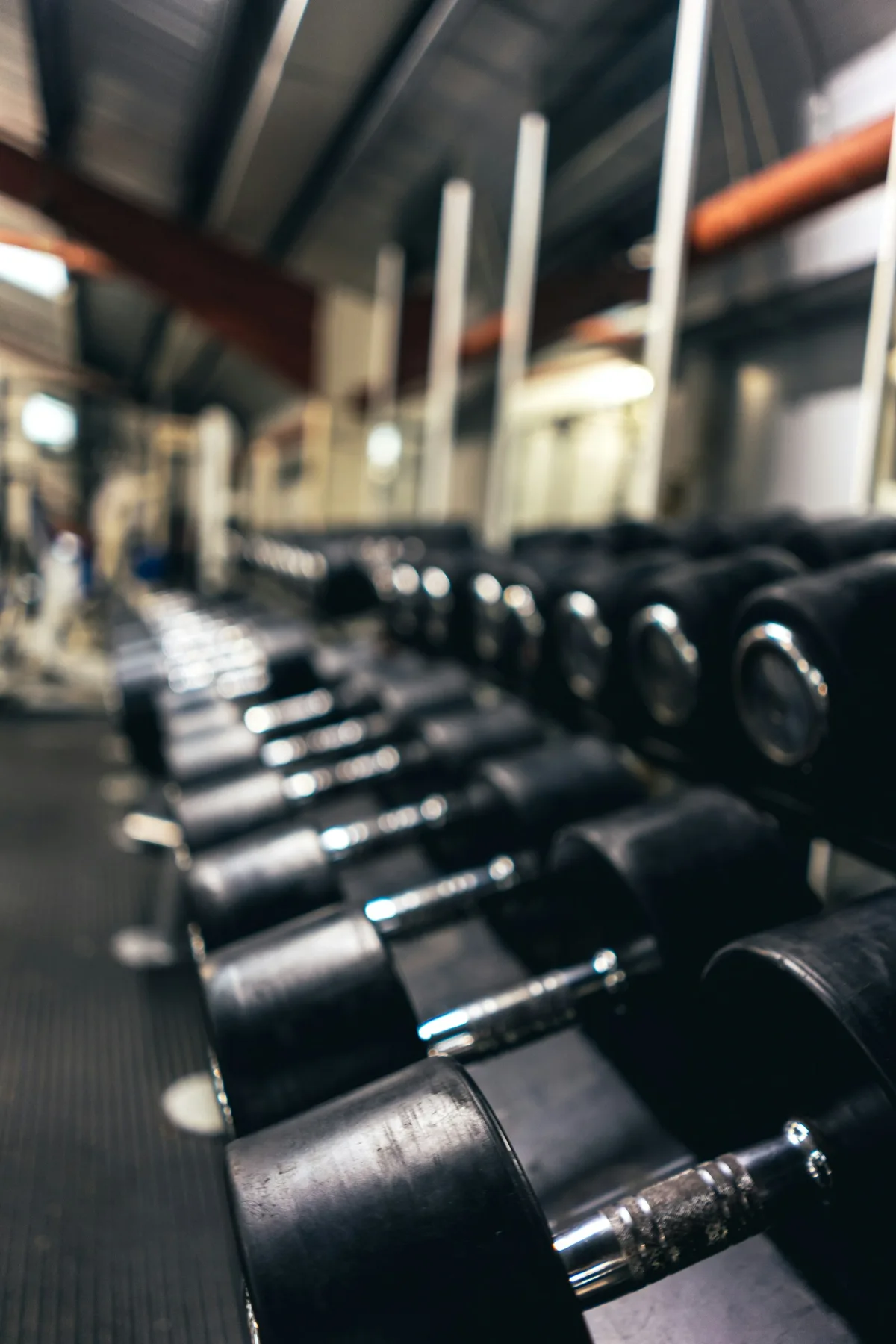
An adjustable dumbbell offers several weights in one implement, one setting at a time. A fixed collection offers several implements that can remain available together. That difference becomes obvious with supersets, drop sets and shared sessions. It also explains why a claim about replacing many pairs is primarily an inventory claim, not a promise that every pair can be used simultaneously.
Imagine two people training in the same room. One is pressing with 35 lb dumbbells while the other needs 20 lb for rows. A single adjustable pair cannot serve both immediately. They can alternate sets, buy a second pair or keep the frequently shared fixed weights. The right arrangement depends on whether alternating is comfortable or repeatedly interrupts a short workout window.
For solo training, count actual changes rather than assuming every selector is too slow. If you finish all sets of one exercise before changing load, the mechanism may have little influence on your session. If a workout uses six changes, a hypothetical 20-second adjustment routine adds two minutes in total. That arithmetic is not a measured speed for any product; it shows how to put a claimed inconvenience in context.
Compare the same usable range on both sides
Weight descriptions can refer to one dumbbell, a pair or the whole package. A pair labeled 50 lb each supplies up to 50 lb in either hand, not 100 lb in one hand. A single 50 lb dumbbell listing is only half of a matching pair. Read the option selector, contents list and order quantity together, especially when a marketplace combines several package sizes on one page.
Rogue's rubber hex dumbbells are sold as pairs. That is one verified example of the unit of sale; it does not establish how another brand packages its dumbbells. With adjustable systems, also distinguish a base set from a fully expanded package. Photographs may show equipment or weight stages beyond the selected option.
The smallest step deserves its own line on the comparison. Increasing from 10 to 15 lb is a 50% jump; increasing from 50 to 55 lb is 10%. The same five-pound step therefore has a very different relative size across a range. Whether a smaller step is useful depends on your training, but a maximum-weight headline cannot answer the question. Check the available increments, including any uneven or missing intermediate settings.
Measure the lifting shape as well as the storage shape
Adjustable systems can dramatically reduce the number of stored implements. They still need a place for both cradles or a supported stand, access to the selector and room to set the weights down. The shelf footprint is only one part of the space requirement. Draw the bench, your movement area and the route back to storage before assuming a compact product will fit a crowded room.
Length at a light setting can matter during movements where the dumbbells pass close to the body or one another. Some designs retain a fixed outer envelope; others get shorter as plates are removed. Check the exact model. REP's QuickDraw specifications list different dumbbell lengths for its 30, 40, 50 and 60 lb configurations, showing why the purchased expansion configuration matters; check length at your working settings separately.
Fixed dumbbells also change shape as weight rises. A stand that fits several small pairs may not accept the same number of large pairs. Check usable shelf depth, spacing between heads and the clearance needed to remove a heavy pair without reaching through other weights. A storage-size guide can help you measure the collection you will actually own.
Equipment comparison
Put product facts and buying checks side by side.
Handling rules can decide the purchase
If your routine depends on releasing dumbbells at the end of a set, investigate that before buying an adjustable mechanism. PowerBlock's current warranty excludes damage caused by dropping. Other designs can have different policies. Neither the word adjustable nor a rubber covering establishes permission to drop equipment.
Read the exact product's selection procedure too. Understand what confirms that the chosen plates are secured and which checks the maker requires. Clear labels and a mechanism you can operate confidently have value even if another model changes weight faster in a demonstration. A small selector that is awkward for your grip can remain frustrating for years.
For a fixed pair, inspect how the head, handle and contact surfaces are constructed and maintained. Fewer moving parts eliminate a selection step, but they do not make every fixed dumbbell immune to damage. Choose an arrangement you can handle within its instructions, including the return to the stand. Keep impact policy separate from claims about floor protection or quietness.
Price a complete purchase, not an attractive starting number
Make two baskets that supply the same useful inventory. For fixed dumbbells, include all needed pairs and suitable storage. For an adjustable system, include two handles, required weight stages, any essential stand and supplied versus separately purchased adjustment pieces. Add delivery costs using the actual order; heavy equipment shipping can change the comparison.
Then account for the equipment you already own. If you have 10, 15 and 20 lb pairs and only need a heavier pair, filling that gap may be more economical than replacing the whole collection. If the fixed rack is consuming the room you need for a bench, selling or relocating some pairs may change the decision in favor of adjustables. Treat any resale estimate as uncertain until a buyer exists.
A mixed collection is sensible when it removes a specific bottleneck. Keep a frequently used light pair available while using adjustables for less common loads, for instance. Buying both systems without a clear purpose can erase the storage advantage and leave duplicate weights unused. Record the problem each additional purchase is meant to solve.
Three buying decisions you can make now
One user, many settings, a shared spare room: shortlist adjustable pairs that cover the actual range and fit in an approved storage position. Rehearse getting the bench and dumbbells into place. If daily setup is easy, the reduced inventory can make the room more usable.
Two users with overlapping sessions: list the weights needed at the same time. Compare enough fixed pairs against the cost and space of two adjustable sets. A single adjustable pair may still work if alternating sets suits both people; do not pay to eliminate waiting that is not a problem.
A small routine with a few established loads: compare the exact fixed pairs needed first. Expandable adjustables become more compelling when your progression would otherwise require many extra pairs. Use the equipment comparison tool to check catalog facts, and keep your own load inventory alongside it.
More questions, answered.
Are adjustable dumbbells as effective as fixed dumbbells?
Both provide an external load. The buying difference is whether the available weights, grip, dimensions and permitted handling suit the exercises you use. A particular adjustment system does not by itself guarantee better training results.
Do I need a dumbbell stand immediately?
Only if your chosen system requires one or it solves an access problem. Check the manufacturer-approved support, cradle security and loaded dimensions. Include storage in the purchase comparison even if a separate stand is optional.
Is the heaviest adjustable set the best value?
Not automatically. Check its minimum setting, increments, package contents and handling. Extra capacity has little value if the set misses weights you need now or becomes awkward in your room.
Sources & further reading
Manufacturer documents and primary sources used in this guide. The current manual for your exact model takes precedence when a version changes.
- Rogue rubber hex dumbbells: pair quantities and range
- REP QuickDraw: weight settings, dimensions and product instructions
- PowerBlock warranty and handling exclusions